
Aadi Kiruthigai, also known as Aadi Krithigai, is a significant Hindu festival dedicated to Lord Murugan, the god of war and victory. Celebrated in the Tamil month of Aadi (July-August), this festival holds great religious importance among Tamil communities. Devotees observe the day by fasting, performing special prayers, and participating in grand processions. Temples dedicated to Lord Murugan are beautifully decorated, and rituals are performed to seek his blessings for prosperity and protection. Aadi Kiruthigai is particularly popular in Tamil Nadu and parts of Kerala, where it is celebrated with enthusiasm and devotion. The festival is also an occasion for social gatherings and cultural activities, fostering a sense of community and spiritual fervor.
HISTORICAL BACKGROUND
- Ancient Origins: Aadi Kiruthigai is rooted in ancient Tamil traditions, celebrating the Tamil month of Aadi (July-August) which is considered a highly auspicious period in the Tamil calendar.
- Dedication to Lord Murugan: The festival is dedicated to Lord Murugan (also known as Kartikeya or Subramanya), the son of Lord Shiva and Parvati, and the god of war and victory.
- Astrological Significance: Aadi Kiruthigai is celebrated on the Krithigai star day, which is considered highly significant in Hindu astrology and is believed to be favorable for worshiping Lord Murugan.
- Tamil Sangam Literature: References to Aadi Kiruthigai can be found in ancient Tamil Sangam literature, indicating that the festival has been celebrated for centuries.
- Mythological Connection: According to Hindu mythology, Lord Murugan was born from the sparks of Lord Shiva’s third eye to defeat the demon Tarakasura. The festival commemorates Murugan’s divine birth and his subsequent victory over evil.
- Historical Temples: Many ancient temples dedicated to Lord Murugan, such as the Arupadai Veedu (the six abodes of Murugan), have historical records of Aadi Kiruthigai celebrations dating back several centuries.
- Cultural Integration: Over time, Aadi Kiruthigai has integrated various local customs and traditions, reflecting the rich cultural heritage of Tamil Nadu and neighboring regions.
- Colonial Period: During the colonial period, the festival continued to be a significant religious and cultural event for Tamil communities, maintaining its importance despite external influences.
- Modern Celebrations: In contemporary times, Aadi Kiruthigai is celebrated with grandeur and fervor, with elaborate rituals, processions, and cultural events, preserving the essence of ancient traditions while adapting to modern contexts.
- Influence on Tamil Diaspora: The festival’s historical significance has led to its celebration by the Tamil diaspora worldwide, spreading its cultural and religious importance beyond India.
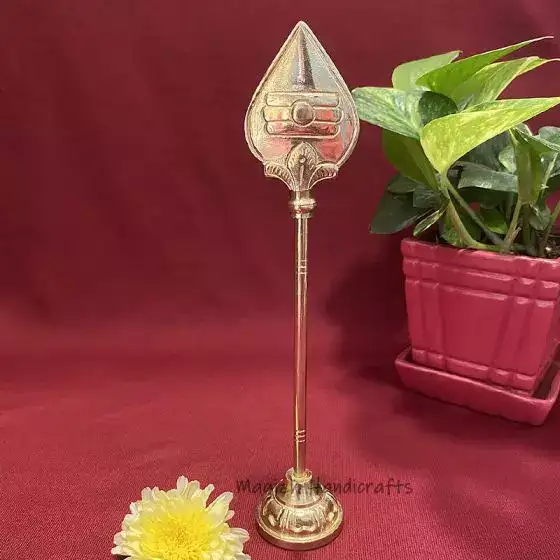
Also check out our 9 Inches Brass Murugan Vel With Base
RITUALS AND PRACTICES OF AADI KIRUTHIGAI
- Early Morning Bath and Prayers: Devotees begin the day with an early morning bath, considered purifying, and offer prayers to Lord Murugan at home or in temples.
- Fasting: Many devotees observe a day-long fast as a form of devotion. Some may consume only fruits and milk, while others might abstain from all food until the evening.
- Special Poojas: Special poojas (rituals) and abhishekams (ceremonial baths) are performed in Murugan temples. The deity is bathed with milk, honey, sandalwood paste, and other sanctified substances.
- Decoration of Deities: The idols of Lord Murugan are adorned with colorful clothes particularly with white flowers, and jewelry. Shatkonam kolam is drawn in front of the house for welcoming Murugan. Temples are also decorated with lamps, flowers, and festoons, creating a festive atmosphere.
- Offering of Kavadi: Devotees carry decorated Kavadis (ornate structures) on their shoulders as an act of devotion and penance. This practice symbolizes the burden carried by the devotee in gratitude or request for favors from the deity.
- Pal Kavadi: In some places, devotees perform the Pal Kavadi ritual, where they carry pots of milk on their heads to the temple to be offered to Lord Murugan.
- Processions: Grand processions are organized where the idol of Lord Murugan is taken around the temple or through the streets, accompanied by music, dance, and chants.
- Chanting and Singing Hymns: Devotees engage in chanting Murugan’s names and singing hymns and bhajans (devotional songs) dedicated to him, creating an atmosphere of spiritual fervor.
- Firewalking: In some regions, firewalking is practiced as an extreme act of devotion, where devotees walk over burning coals as a testament to their faith and devotion to Lord Murugan.
- Distribution of Prasad: After the rituals, prasad (sanctified food) is distributed to devotees. This may include fruits, sweets, and other offerings made to the deity.
- Annalakshmi Seva: Some temples organize community feasts or Annalakshmi Seva, where food is distributed to devotees and the poor, emphasizing the spirit of sharing and community welfare.
- Spiritual Discourses and Cultural Programs: Temples and cultural organizations often arrange spiritual discourses, musical concerts, and dance performances celebrating Lord Murugan and his legends.
- Vratams: Some devotees undertake special vratams (vows) during the month of Aadi, which may include abstaining from certain foods or behaviors, reciting specific prayers, or visiting Murugan temples regularly.
- Temple Visits: Many devotees visit prominent Murugan temples, such as the Arupadai Veedu (six abodes of Murugan), to seek blessings and participate in the special rituals conducted there.


