
How to do Varalakshmi Vratham Preparation
Varalakshmi Vratam is one of the most auspicious festival celebrated predominately in South India particularly in Tamil Nadu, Karnataka, Telungana and Andhra Pradesh is devoted to Goddess of wealth, prosperity and welfare, Lakshmi. Goddess Lakshmi showers blessings on the devotees who keep fast on that day. The fasting of Varalakshmi Vratam is done on the second Friday of the Shravana month (July-August) according to the Hindu Calender. Varalakshmi Vratam will be celebrated on 16th August 2024 of this year. On this day, a special Lakshmi pooja is done to gratify the Goddess of wealth and prosperity.

It is an auspicious day for married woman who observes fast and pray to Goddess Lakshmi for the well-being of their family members.
Ancient Hindu Holy Writ like Vishnu Purana and Narad Purana have mentions of Varalakshmi Vratam. The origin of Varalakshmi Vratam can be traced in various ancient legends. One popular story from the Skanda Purana narrates how Goddess Lakshmi appeared in the dream of Charumathi, a devout woman from the Chola Kingdom, instructing her to observe Varalakshmi Vratam to fulfill her wishes. Following the goddess's advice, Charumathi performed the Vratam with great devotion, leading to the well-being and prosperity of her family. This tale highlights the belief that Varalakshmi Vratam can bestow boons and grant desires.
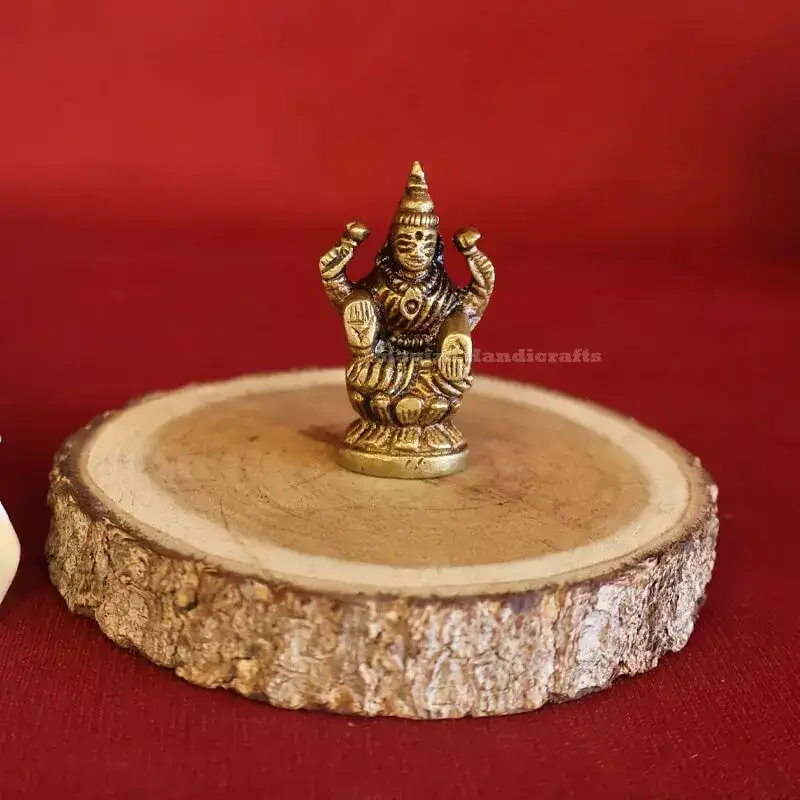
Also check out our 1.5 Inches Brass Lakshmi Miniature Idol 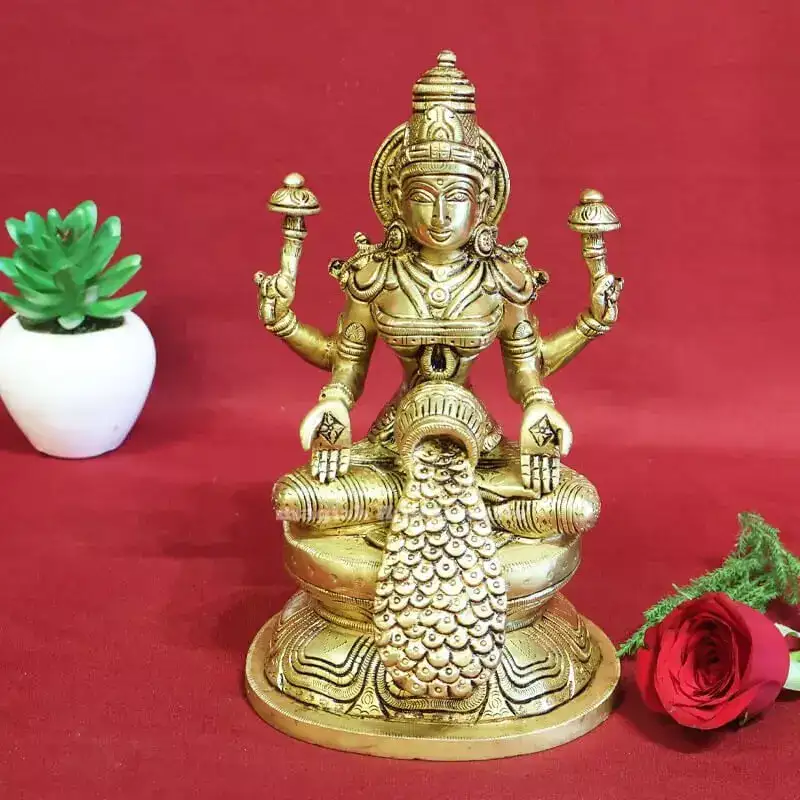
Rituals and Preparations
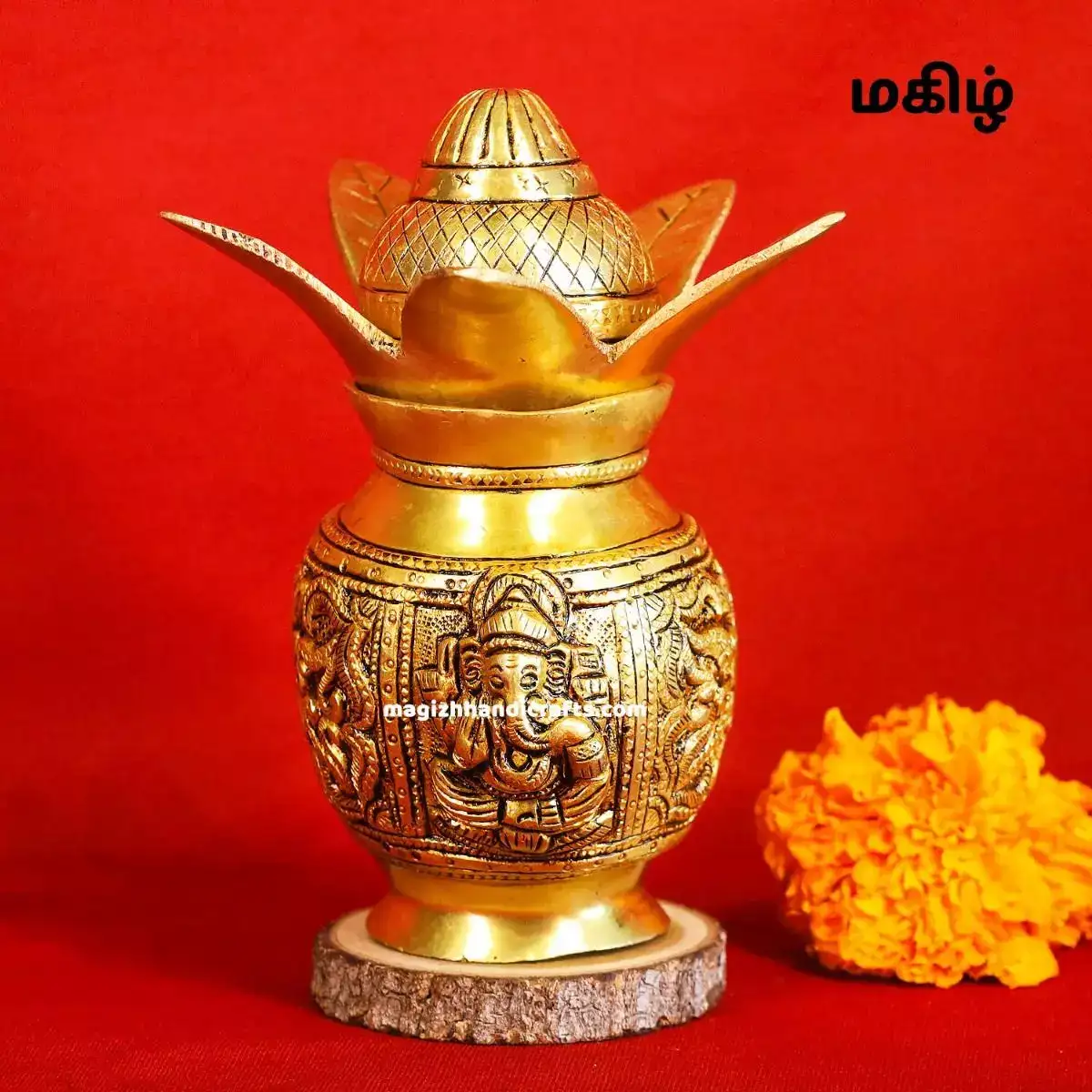
The preparations for Varalakshmi Vratam starts a day before with house cleaning and decoration. Women of every household who celebrates Varalakshmi Vratam draw colorful rangoli designs at the entrance to welcome the goddess Lakshmi. The main ritual involves creating a kalasha (a sacred pot) symbolizing Goddess Lakshmi, adorned with a coconut, mango leaves and flowers. The below mentioned points are the procedures that are followed in most of the families who celebrate Varalakshmi Vratam:
a. On this auspicious day, women wake up beforehand, observe the ritualistic fast and perform the Varalakshmi Pooja, in which they offer fresh sweets and flowers to the Goddess.
b. Women observing the Varalakshmi Puja refrain from eating certain foods which may vary from region to region.
c. A Kalash, representing the deity is wrapped and decorated with a saree. A swastika symbol is drawn with kumkum and sandalwood paste. The Kalash pot is filled with raw rice or water, coins, five different kinds of leaves, and betel nuts.
d. Eventually, some mango leaves are placed on the mouth of the Kalash, and a coconut smeared with turmeric is used to close the mouth of the Kalash. The sacred thread that is tied during Varalakshmi Puja is called the Dorak.
e. The sweets and offerings placed in front of the deity are known as Vayana.
f. During the evening, an aarti is offered to the Goddess Lakshmi.
g. The next day, the water from the Kalash is sprinkled around the house. If rice grains were one of the components in the Kalash, then they will be used to prepare a rice meal or Prasad for the family the following day.
h. One of the key aspects of the puja is tying the sacred thread (rakshai or the Varalakshmi thread) on the wrist, believed to invoke the blessings of the goddess Lakshmi. The Vratam concludes with the distribution of Prasad among family members, neighbors and friends.
The above are the procedure that are followed in most of the families who celebrate Varalakshmi Vratam.
Also check out our 8 Inches Brass Dhana Lakshmi Idol Oval Base
Also check out our Brass Lakshmi Ganesha Kalasam - 6 Inches
Significance of Varalakshmi Vratam
Varalakshmi Vratam is more than just a ritualistic festivity, it embodies the cultural and spiritual ethos of Hindu Tradition. It emphasizes the role of women as the bearers of prosperity and harmony in the household. By invoking Goddess Lakshmi, the Vratam symbolizes the universal desire for wealth and well-being. The following are the significance of Varalakshmi Vratam:
a. Wealth and Prosperity: The primary purpose of Vratam is to seek the blessings of Goddess Lakshmi for wealth, prosperity and well-being. Varalakshmi, the goddess is considered as the boons(Varam to her devotees)
b. Family Welfare: Varalakshmi Vratam is performed for the well-being of the family members particularly for the health and longevity of the husband and general prosperity of the households. Mostly, on this auspicious day Married woman (sumangali) observe fast for the goodness of their family members.
c. Symbolic Meaning: The Vratam symbolizes the worship of Ashta Lakshmi(Eight forms of Lakshmi)- Dhana Lakshmi(Wealth), Aadi Lakshmi(Force), Vidhya Lakshmi(Wisdom), Vijaya Lakshmi( Success), Dhairiya Lakshmi(Courage), Santaan Lakshmi(Children), Dhaanya Lakshmi (Food), Gaja Lakshmi (Strength).
d. Date and Timing: Varalakshmi Vratam is celebrated on the Friday before the Full moon (Poornima), in the month of Shravana, which usually falls in July or August. This timing is considered auspicious for invoking the blessings of the goddess.
e. Rituals and Traditions: The rituals involve creating a Kalasha (a sacred pot) which is decorated and invoked with the presence of the goddess. Devotees offer various traditional delicacies, flowers, and fruits as part of the worship.
f. Cultural Importance: The Vratam is particularly significant in South Indian states like Tamil Nadu, Karnataka, Andhra Pradesh, and Telangana, where it is celebrated with great fervor.
Performing Varalakshmi Vratam is believed to bring blessings of health, wealth, and happiness to the household, making it a revered and important festival in Hindu tradition.